The study, published in the recent issue of the New Zealand Medical Journal, surveyed 159 Pacific nurses, found that 80% spoke a Pacific language, and almost all reported using it in their workplace.
Among those who spoke a Pacific language, 85% said they had been asked to translate or interpret for patients and families, often outside their formal nursing responsibilities.
Researchers say the findings reveal a significant gap in the health system, where Pacific nurses are frequently relied upon to overcome language barriers in the absence of professional interpreters.
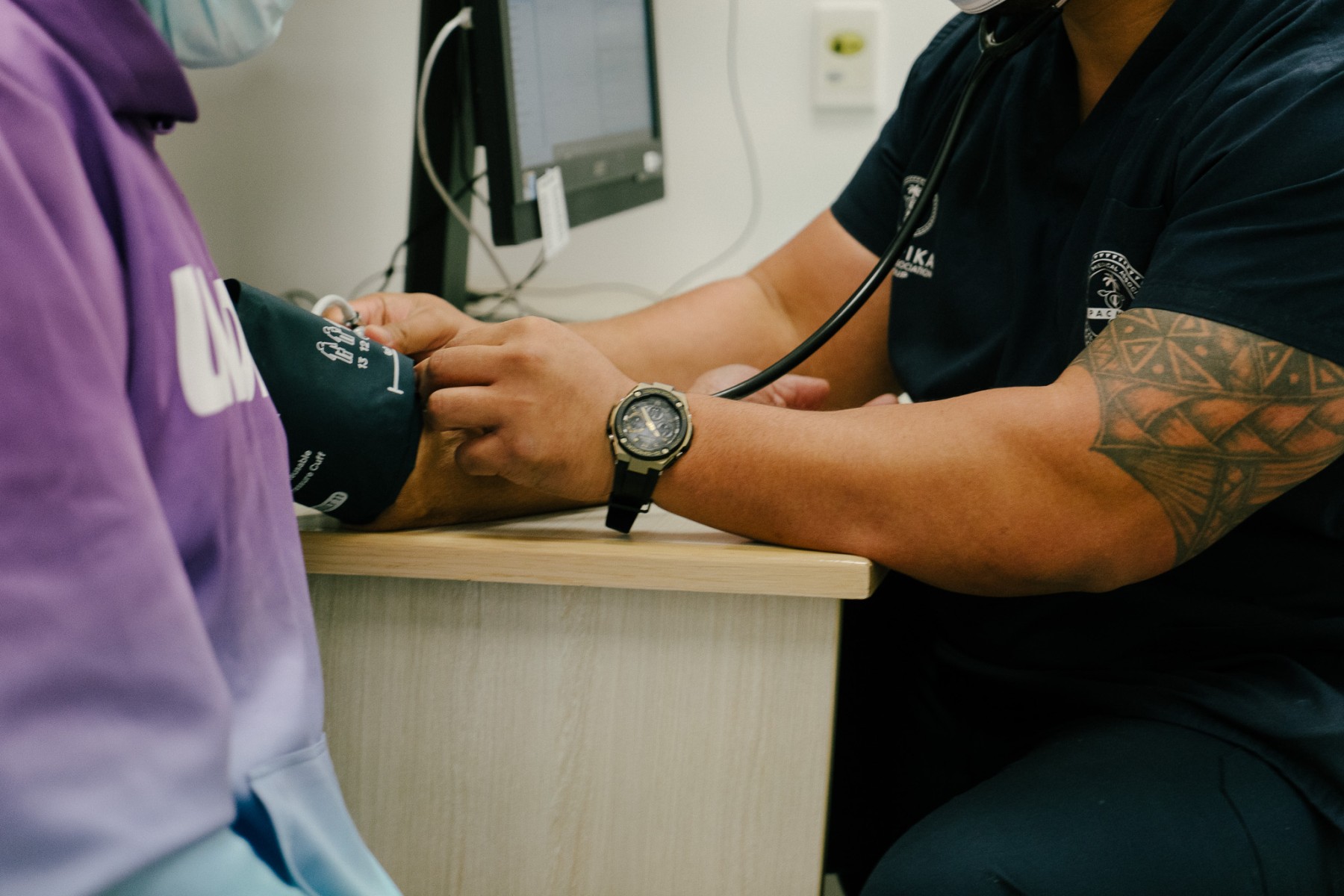
Participants described how communicating in a patient’s own language helped build trust and improve understanding of diagnoses, treatment plans and medical procedures.
However, nurses also reported challenges, including translating complex medical terminology without formal interpreter training and balancing interpreting requests alongside their clinical duties.
Pacific peoples make up around nine percent of Aotearoa New Zealand’s population, but Pacific nurses represent just four percent of the national nursing workforce.
Researchers say the findings highlight the cultural and linguistic expertise Pacific nurses bring to healthcare, while underscoring the need for stronger investment in interpreter services and better recognition of the additional roles they often carry.
The study was authored by Debbie Ryan, Abel Smith, Safaatoa Fereti, Alisi Vudiniabola, Tamasin Taylor, Harriette Kimiora, David Nicholson, Gerard JB Sonder. Read the article in the newest edition of the New Zealand Medical Journal.