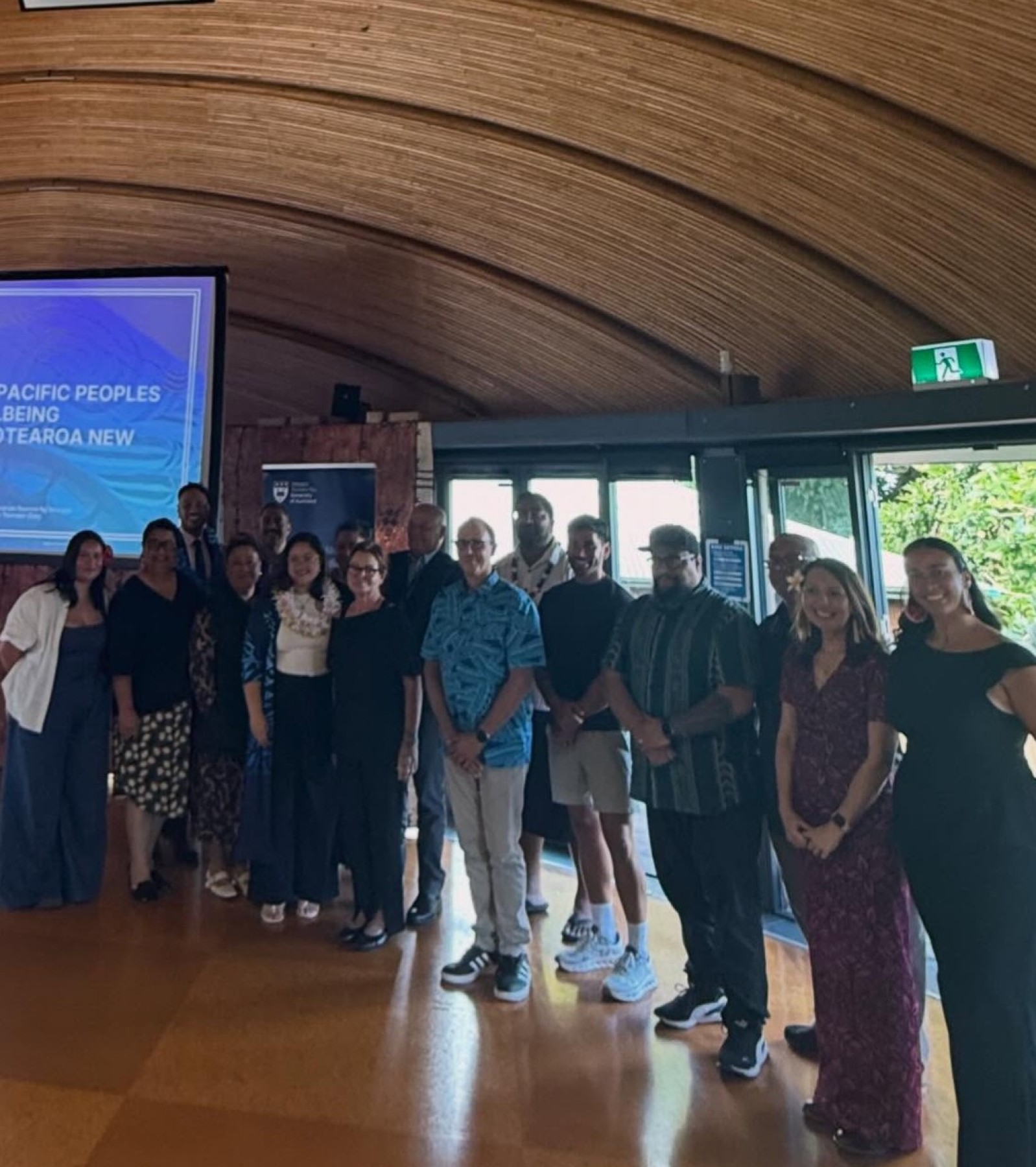
Understanding Pacific Peoples Health and Wellbeing Challenges in Aotearoa New Zealand brings together insights from some of the country’s leading Pacific researchers, physicians, academics, and health practitioners. The publication is intended to serve as a foundational resource for those seeking a deeper understanding of Pacific health issues and the broader social and cultural factors that shape them.
Director of the University of Auckland's Te Poutoko Ora a Kiwa and PMA Board Member, Professor Sir Collin Tukuitonga, says the book addresses a long-standing gap in Pacific health education.
“There are courses and programmes across the country, but there hasn’t been a recognised reference textbook that focuses specifically on Pacific health and wellbeing. That was really the motivation for bringing this book together.”
The textbook features contributions from a wide range of experts who examine key issues affecting Pacific communities in Aotearoa. Topics include the health of Pacific children and young people, mental health and wellbeing, disability, and the health concerns of Pacific Rainbow+ communities.
PMA CEO, Debbie Sorensen ONZM, contributed to one of the chapters and says the publication is an opportunity to deepen knowledge but also strengthen practice across the health sector.
“The information and advice in the book is an opportunity to help trainees and researchers better understand the issues faced by our communities. Our hope is that it becomes a useful resource that helps people deliver care in ways that are culturally appropriate and responsive to Pacific communities.”
Sir Collin reiterates that the book will help equip the next generation of health professionals with the knowledge they need to support Pacific communities.
“If the book helps people working in health better understand Pacific patients and families, and improves how they care for them, then it will have achieved what we set out to do.”